
Materials and Tools
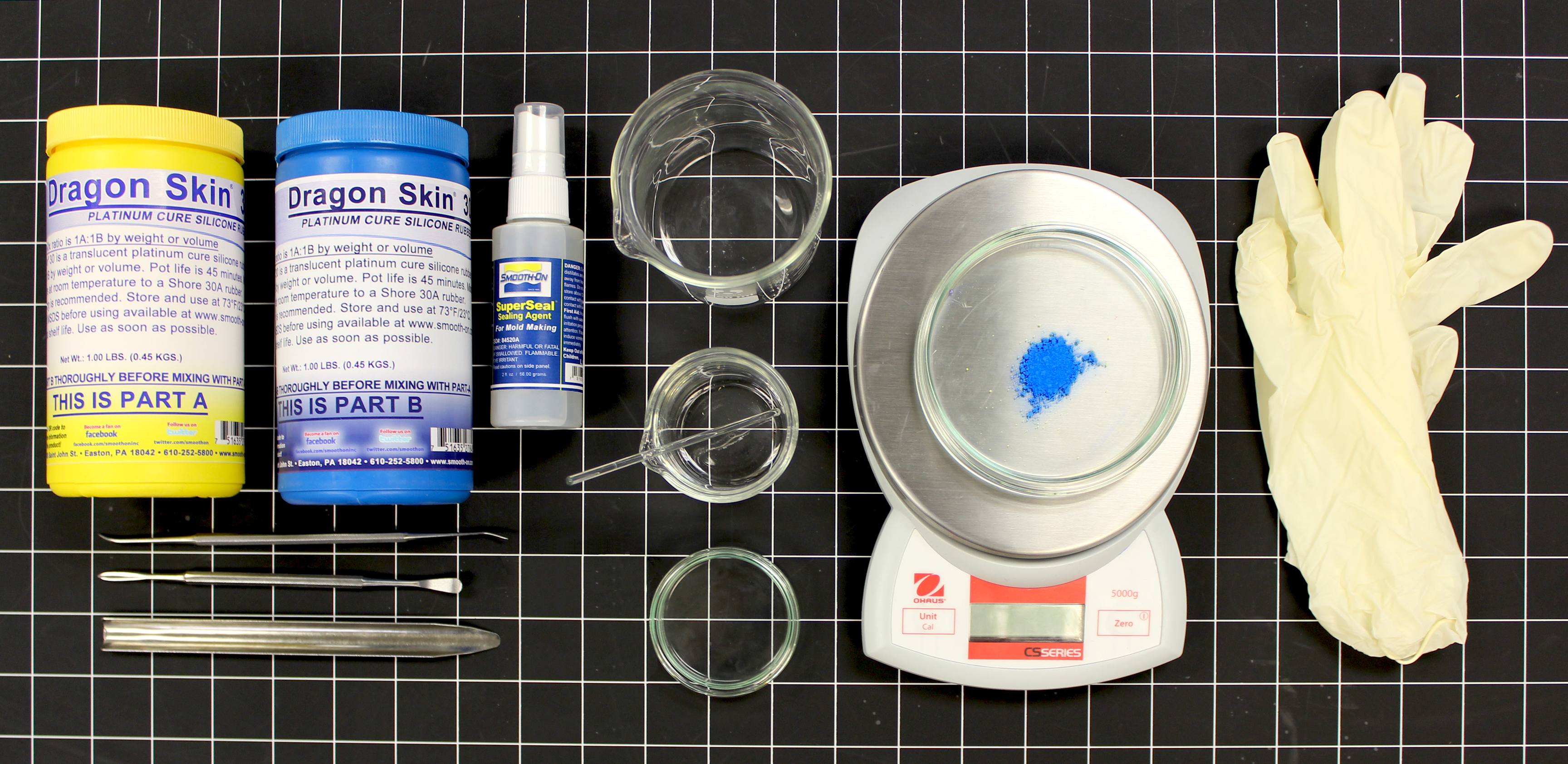
Materials for the actuators include:
- Weight scale
- Measuring cups/beakers
- Spoons and stir sticks
- Brushes
- toothpicks
- Syringes
- X-Acto knife or blade
- Thermochromic Pigment- TurnThermo brand
- Phosphorescent pigment- we used a D-Tek liquid brand (http://www.dtekcustoms.com/index.aspx#.VYH9uPlViko)
- Rubber Silicone – EcoFlex- 50
- Rubber Silicone – DragonSkin-30
- Acrylic sheets that can be laser cut. (1/16" and 1/8" think)
- Superglue- We used Zap-a-Gap (http://www.supergluecorp.com/zap/zap-glues/zap-gap)
- Vaseline
- Fish tank tubing
- A Parker brand micro diaphragm air pump. - We used a 12v dc pump.
- Spray release - Smooth-On brand
- Foam core - used for mold bases
Note: Initial prototype fabrications were unsuccessful due to the use of latex gloves that caused a material reaction that prevented the silicone from curing. When using the acrylic sheets the spray release (Smooth-On) is not necessary due to the smoothness of the mold material.
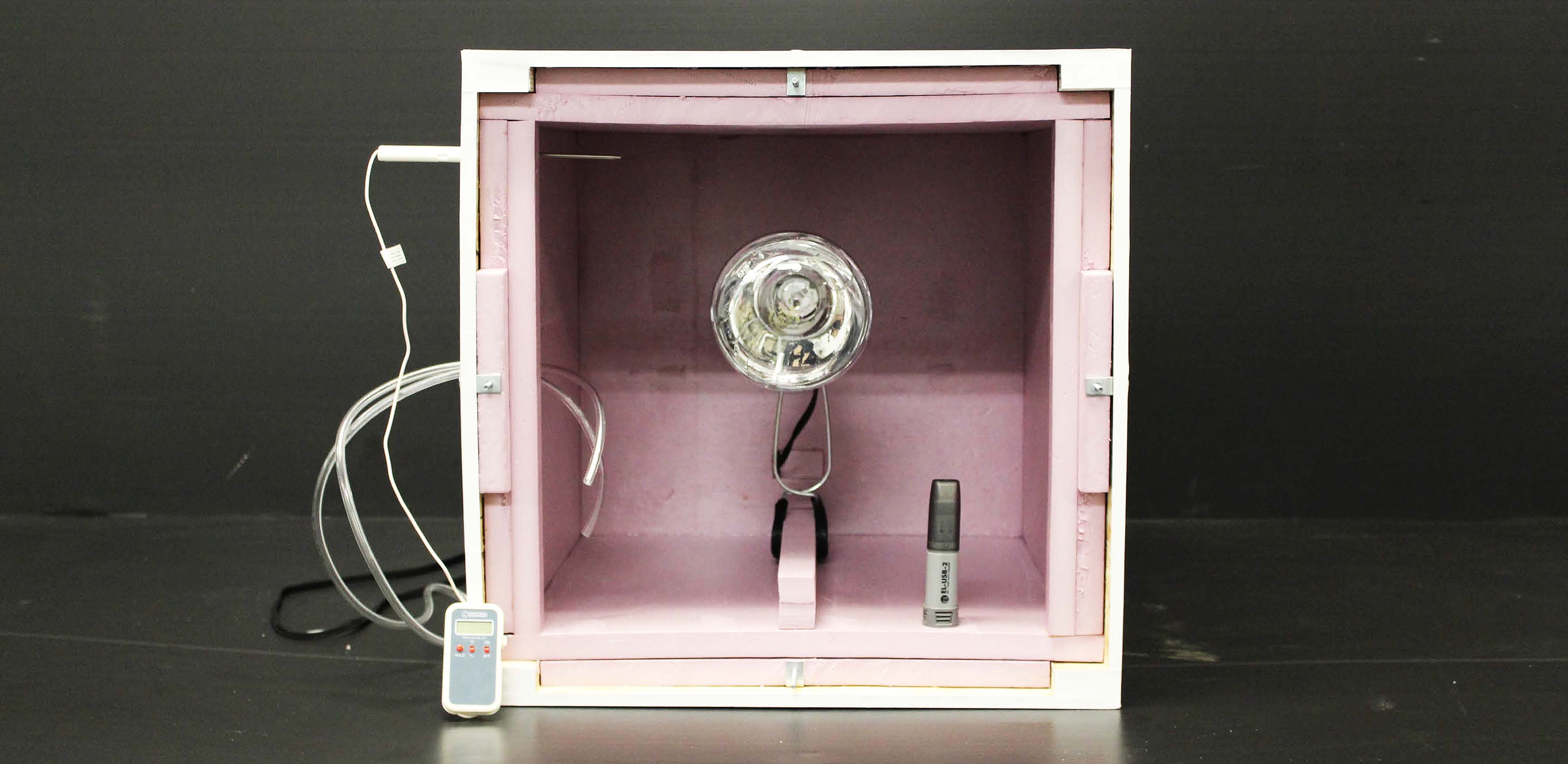
Materials for the Test Chamber include:
- Plywood
- Table saw
- Insulation: 2-3 sheets of ¾ inch thick insulation
- 2 heat lamps ( one for each test chamber)
- 2 temperature data loggers
- Thermometer
- Screws and Nuts
- Screwdriver
- Acrylic frame – used for stability of the actuator
- Fish tank tubing
- Clamps- used to clamp tubing
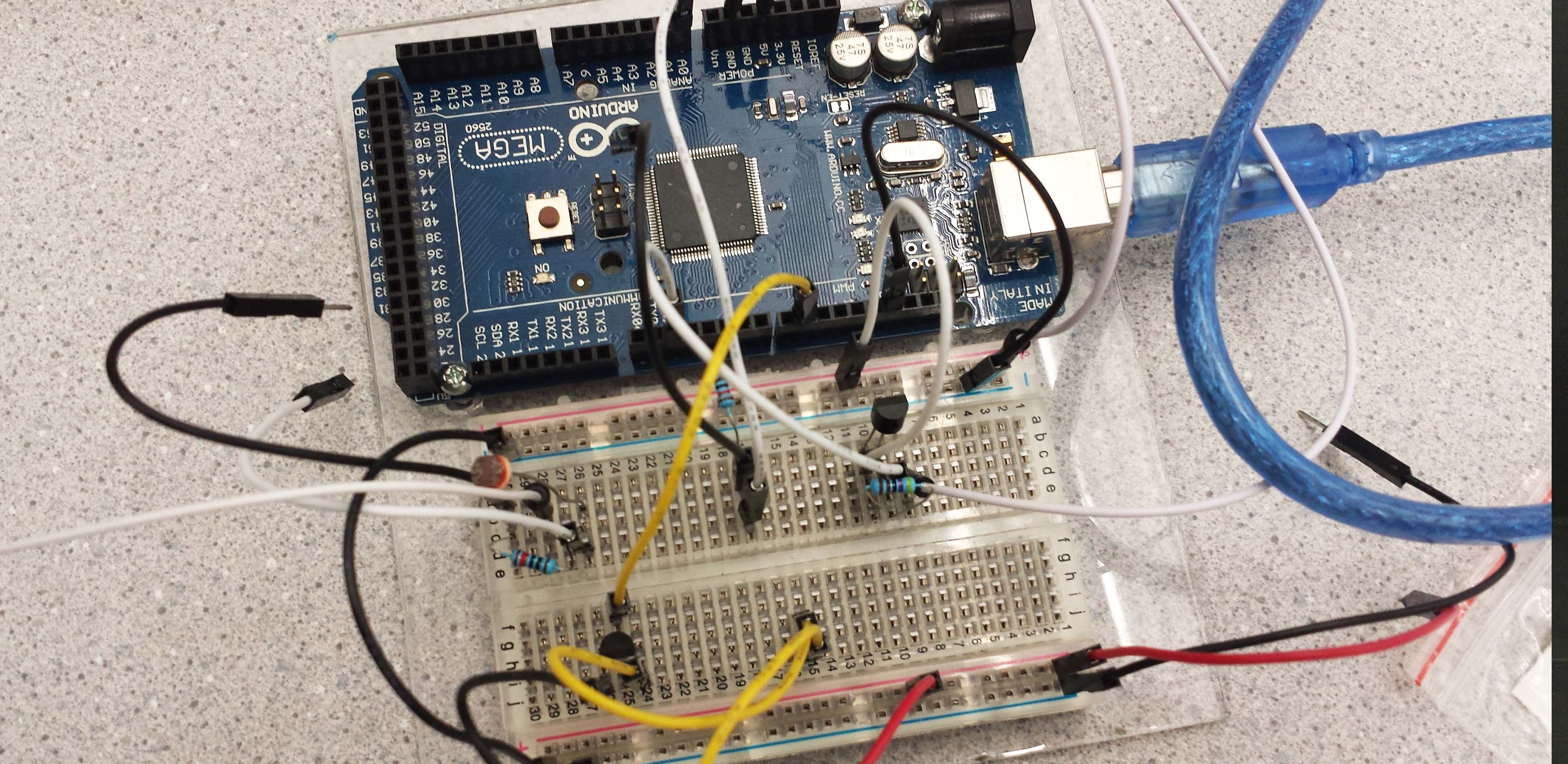
Materials for the microcontroller setup include:
- Microcontroller – we used an Arduino Mega board
- Micro air pumps
- Temperature, light and pressure sensors
- Transistors
- Jumper wires
- Resistors
- A battery pack or power source
- A computer or laptop