
Preparing braided mesh
Materials
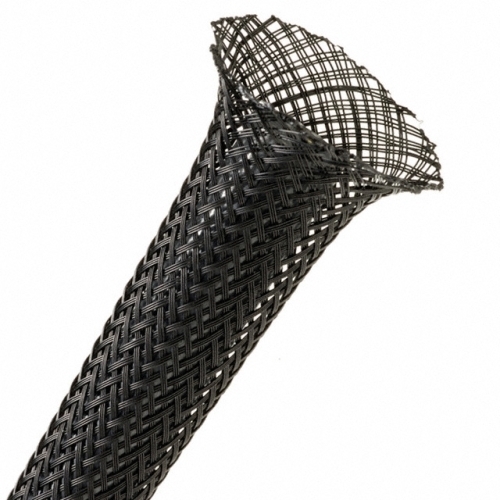
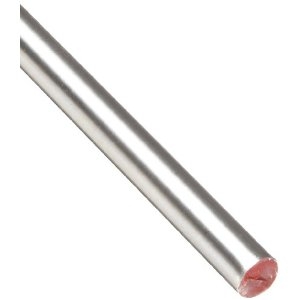
| 
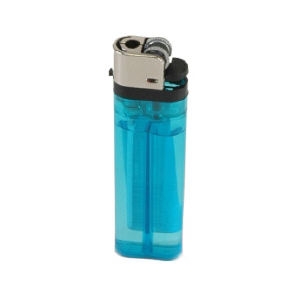
| 
|
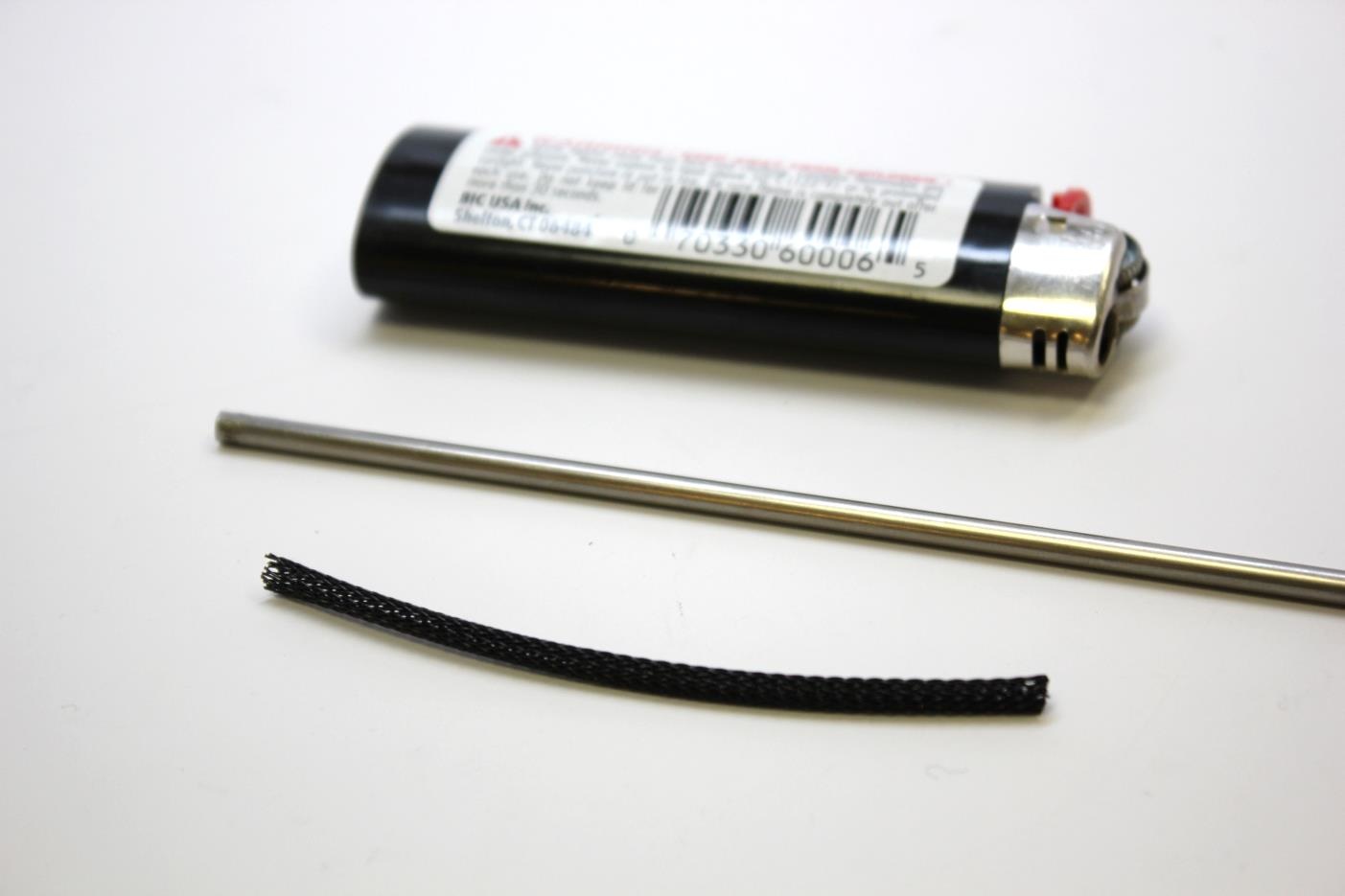
Braided mesh sleeving (i.e. TechFlex) 1/8” dia, cut to 75mm long piece | Metal support rod (slightly larger diameter than mesh) | Lighter |
Lock end
Push the mesh onto the support rod, leaving a few mm hanging off the end.
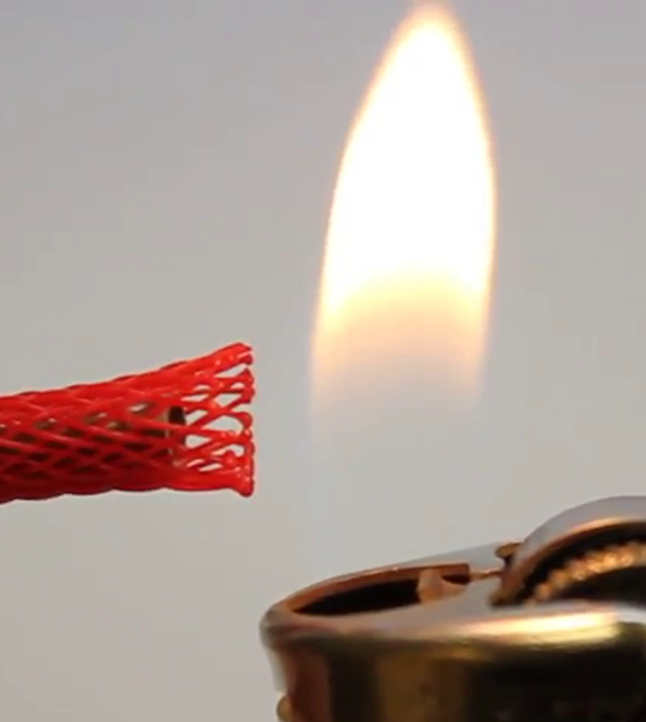
| Hold a flame 2-3 mm away from the mesh, rotating it slowly, until the loose strands melt and fuse into a ring. |
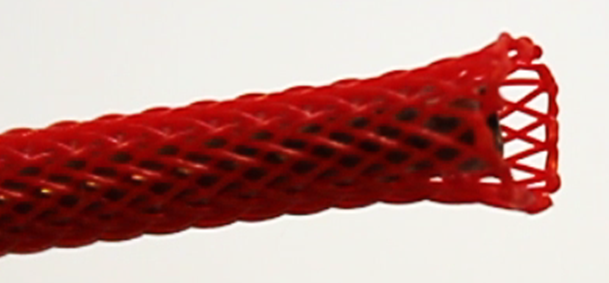
| Remove the mesh from the rod. |
Close other end
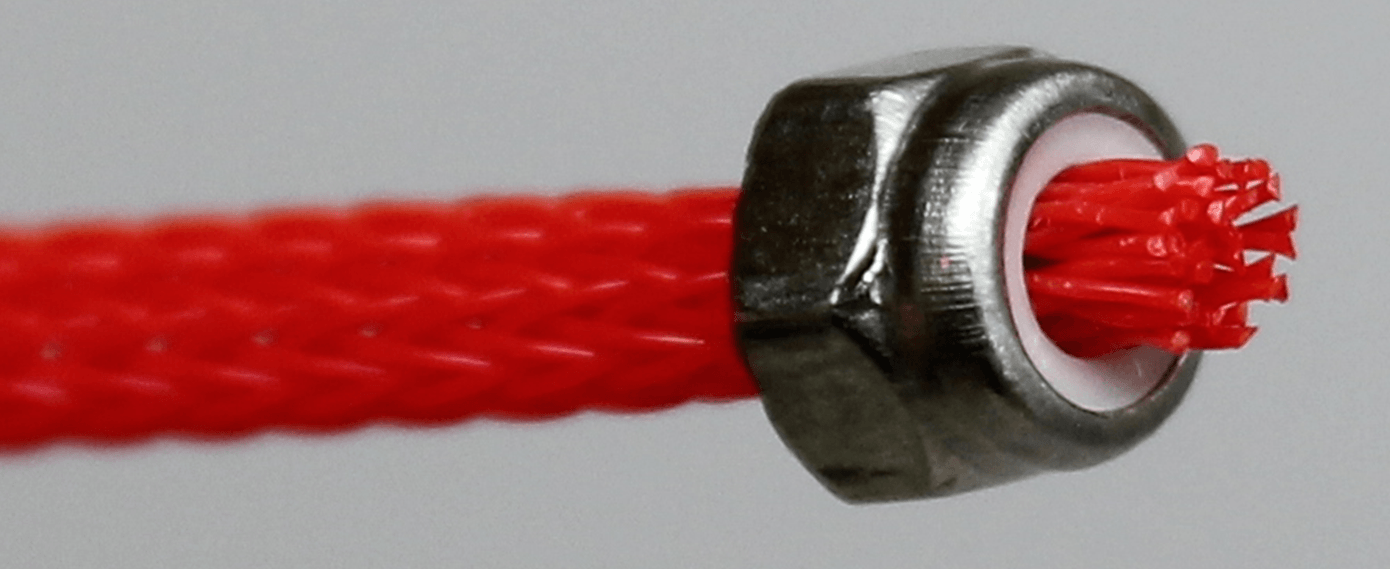
| Gather the strands of the other end into a bundle and hold them together with a tool. There are several ways to do this – i.e. a M2.5 lock nut is used here – such as clamping forceps, a metal fixture with a hole in it, a washer, etc. |
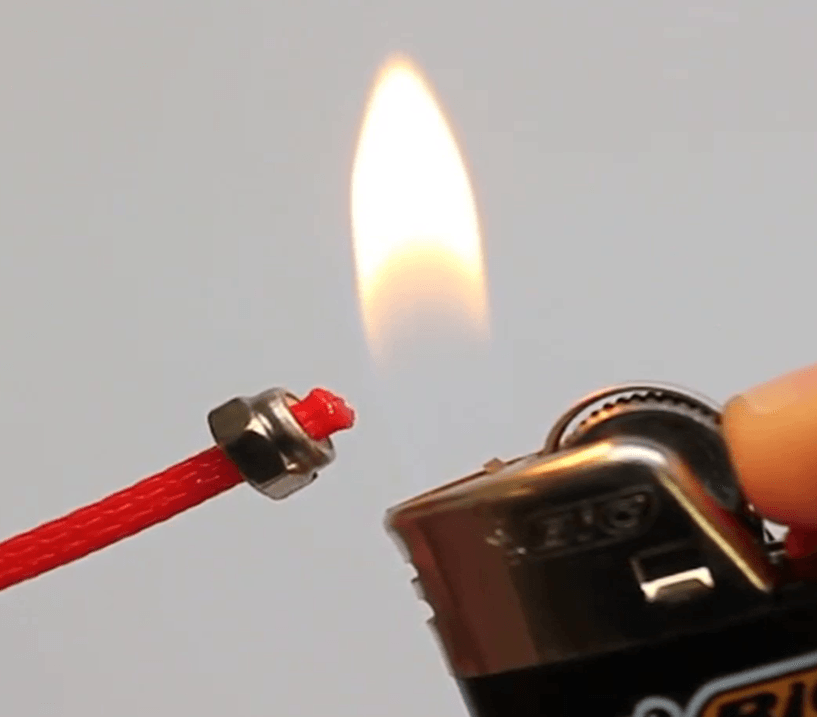
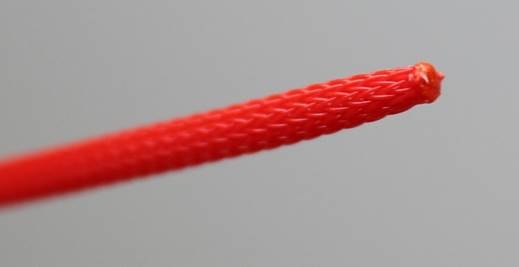
| Hold a flame 2-3mm away until the ends melt and fuse, into one clump this time. |
Check
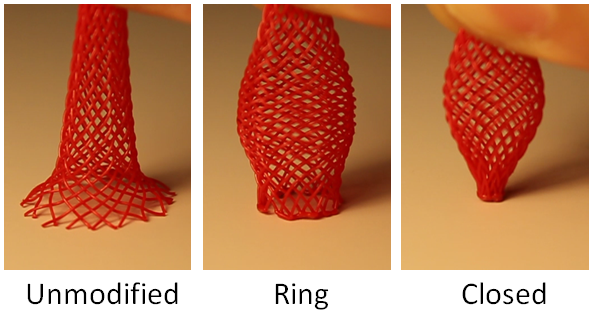
| Check that the ends are secure by compressing the mesh against a flat surface. It should not fray. |
Bibliography
Obiajulu et al. (2013) Soft Pneumatic Artificial Muscles With Low Threshold Pressures for a Cardiac Compression Device.
Roche et al. (2014) A Bioinspired Soft Actuated Material.
Chou & Hannaford. (1996) Measurement and modeling of McKibben pneumatic artificial muscles.
Doumit et al. (2009) Analytical Modeling and Experimental Validation of the Braided Pneumatic Muscle.
Tondu et al. (2012) Modelling of the McKibben artificial muscle: A review.
Contributors
Ellen Roche